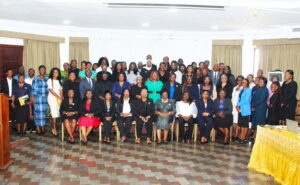
The African Women Lawyers Association-Ghana (AWLA-Ghana) on Wednesday convened a high-level consultative forum in Accra to set priority areas and define the agenda for the upcoming National Family Law and Justice Conference.
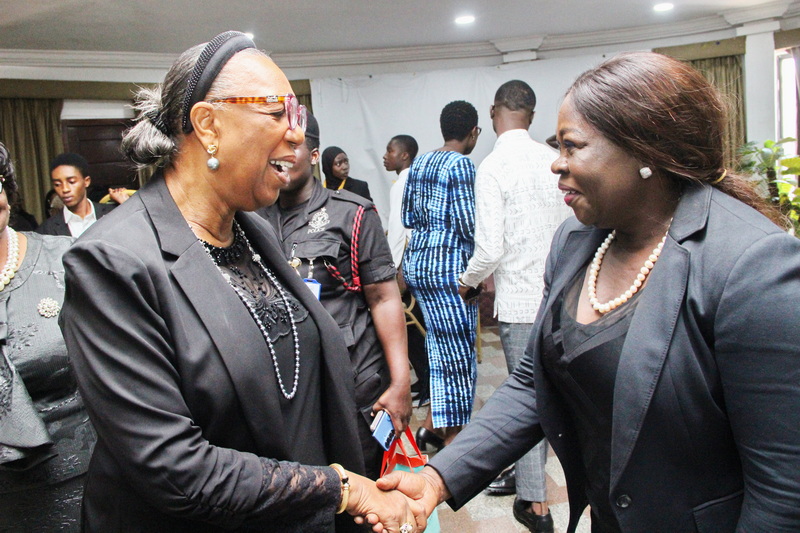
The forum drew more than 100 participants, including judges, legal practitioners, policymakers, civil society leaders, and gender advocates.
The goal was to validate and refine the thematic focus of the conference, while identifying key institutional challenges and gaps in the implementation of family law in Ghana.
Discussions also centered on strengthening inter-agency collaboration, generating preliminary proposals for policy and legislative reform, and securing institutional buy-in and leadership support ahead of the national conference. During breakout and plenary sessions, participants were divided into working groups to deliberate on critical areas of family law.
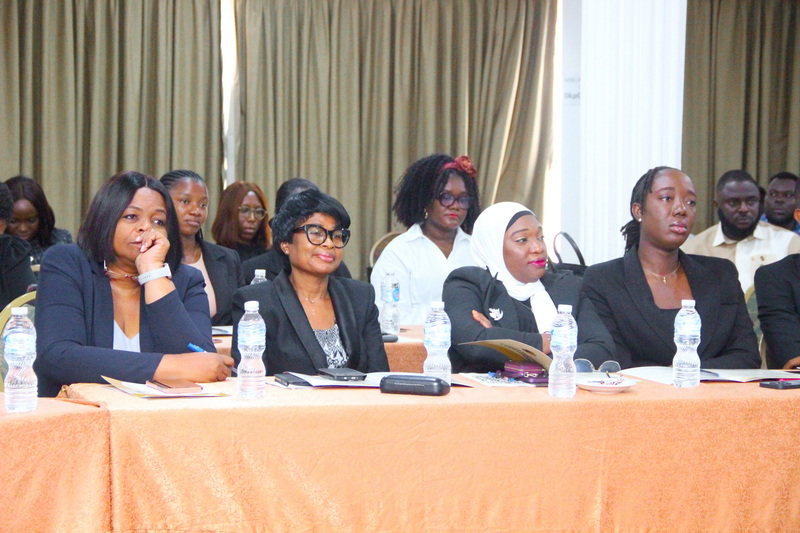
Topics covered included marriage, spousal support and divorce processes; domestic violence prevention, response and protection mechanisms; adoption, child custody and maintenance; welfare and protection of vulnerable persons; access to justice and legal aid services; inheritance and succession; assisted reproductive technology and surrogacy; and property rights of spouses.
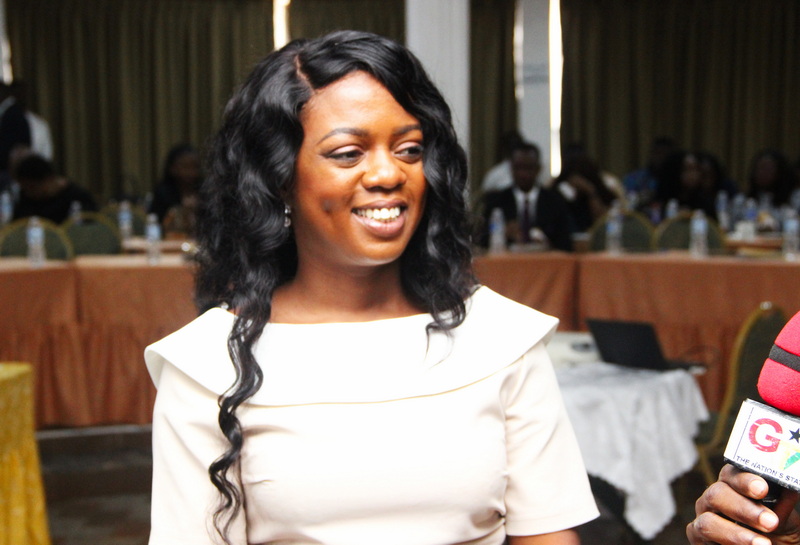
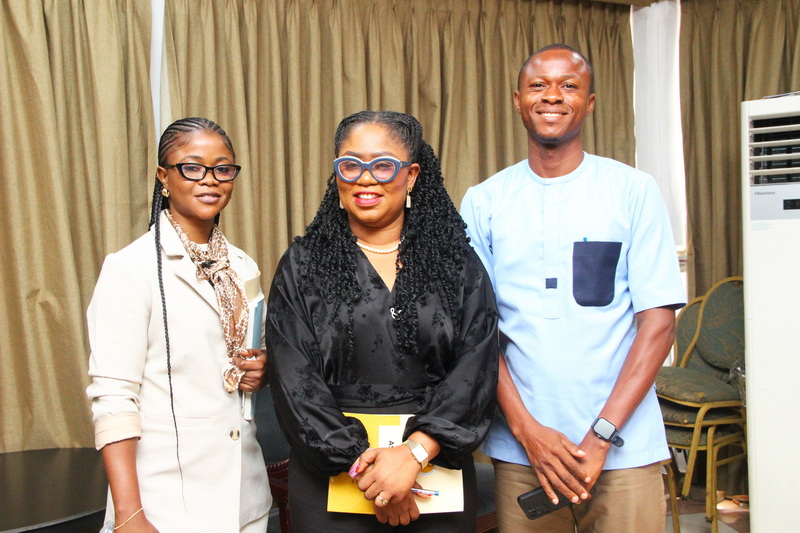
The forum featured contributions from prominent legal minds and advocates. Among them were Member of the Council of State and former Attorney General, Betty Mould-Iddrisu; Dr. Mrs. Angela Dwamena-Aboagye Esq.; Justice Dorothy Kingsley Nyinah; Prof. Renee Morhe; Mrs. Irene Aborchie-Nyahe, Esq.; Vivien Lamptey, Esq.; Mr. Dennis Adjei-Dwomoh, Esq.; Mrs. Ruby Aglagoh; Mr. Daniel Goka of CAA; and Marian Darlington.
AWLA-Ghana is the Ghanaian chapter of the African Women Lawyers Association, an international non-governmental organization made up primarily of women lawyers.
The parent body, AWLA International, was co-founded in 1997 in Nairobi by Ghanaian legal icon Betty Mould-Iddrisu.
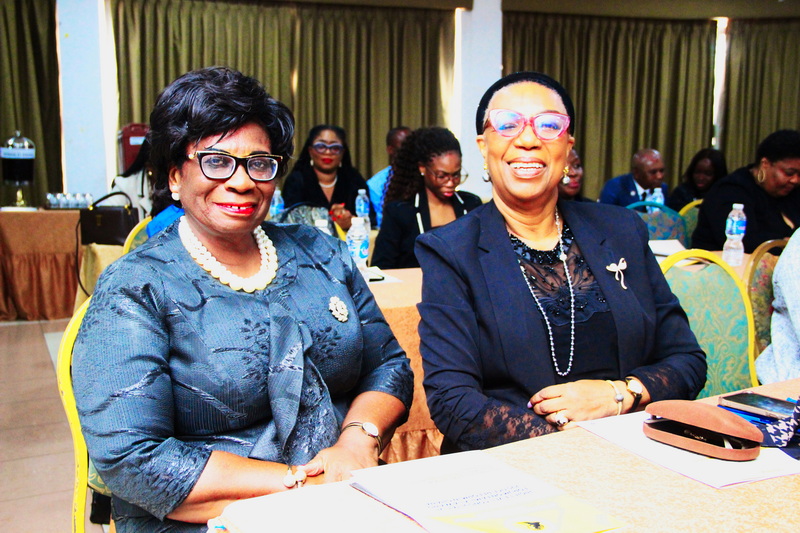
While AWLA-Ghana works locally, it also connects to regional and global legal advocacy networks, including engagement with United Nations and African Union systems.
The organization collaborates with other women’s rights groups across Ghana to protect and promote the rights of women and children through legal advocacy, public education, and policy reform.
Outcomes from Wednesday’s forum will directly inform the structure and agenda of the upcoming National Family Law and Justice Conference, which aims to push for reforms that make Ghana’s family justice system more responsive, equitable, and accessible.