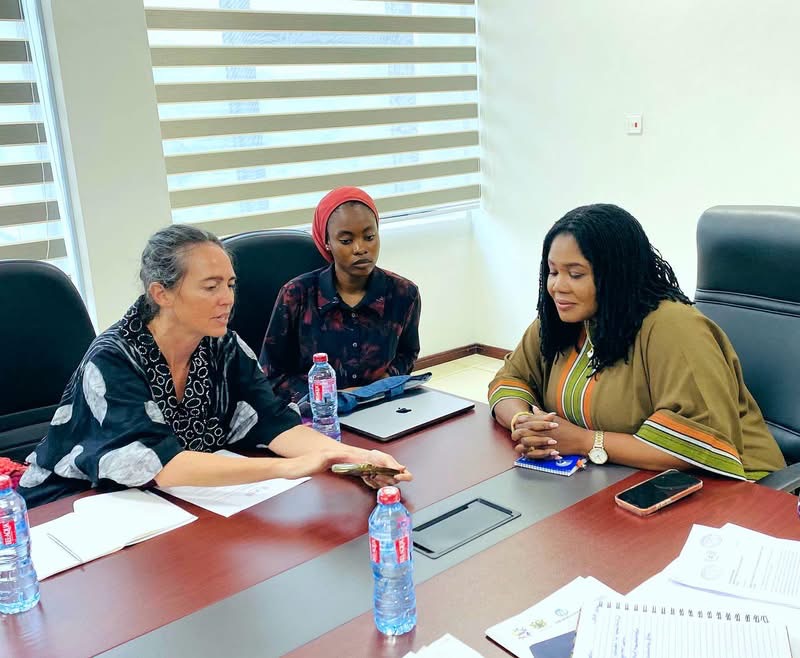
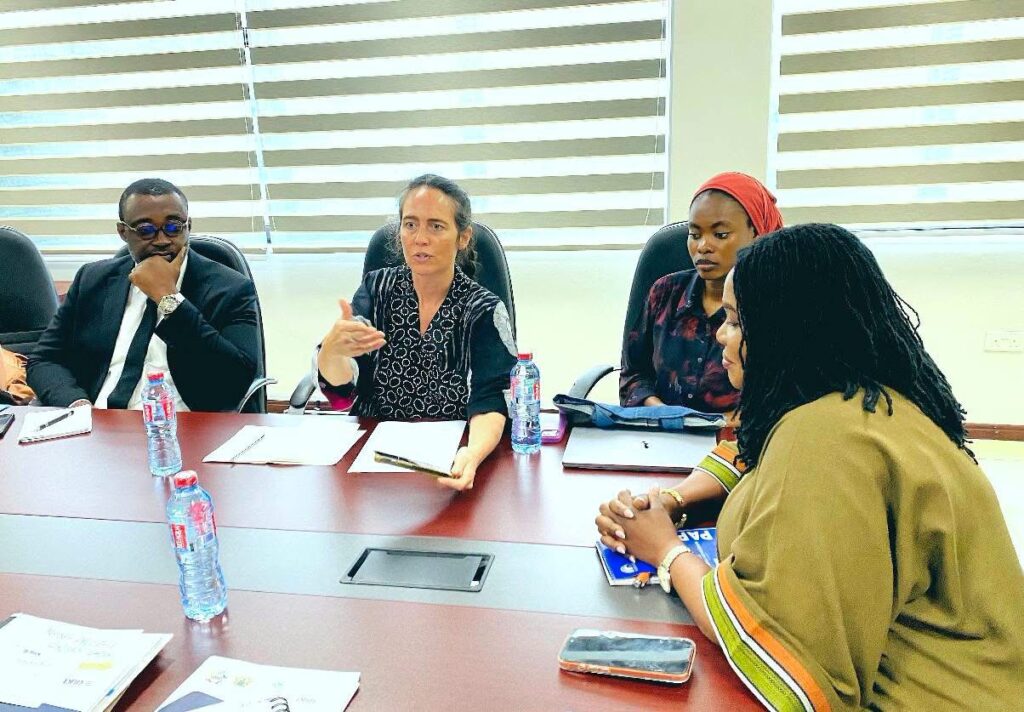
The Minister for Gender, Children and Social Protection, Dr Agnes Naa Momo Lartey, has held a courtesy meeting with the Executive Director and Co-Founder of the OR Foundation, Liz Ricketts, to explore areas of collaboration aimed at improving the welfare of vulnerable women, particularly kayayei (head porters).
Welcoming the delegation, the Minister commended the Foundation for its efforts to improve the lives of vulnerable women through sustainable livelihood initiatives.
She reaffirmed the Ministry’s commitment to partnering organisations whose work aligns with the government’s agenda of promoting women’s economic empowerment, child protection and social inclusion.
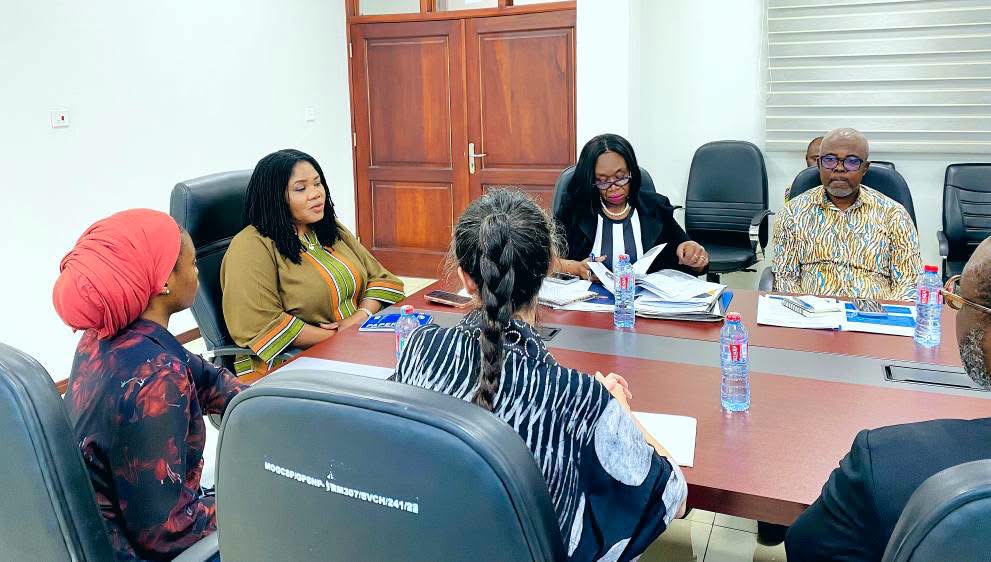
During the meeting, Ms Ricketts outlined the Foundation’s work in Accra’s Kantamanto Market, highlighting interventions focused on environmental justice, community development and economic empowerment.
She said the Foundation has supported more than 300 women to transition away from head-carrying through skills training, paid apprenticeships, healthcare support and business start-up assistance.
The Foundation also shared findings from its research into the health effects of head-carrying, noting that prolonged transportation of heavy loads can cause severe and irreversible spinal injuries.
It further highlighted its Mabulu Programme, which provides scholarships, vocational training and entrepreneurship support to help women build sustainable livelihoods.
The team also showcased its textile recycling initiative, which transforms textile waste from Kantamanto Market into new products while creating employment opportunities for programme beneficiaries.
A beneficiary of the programme also shared her experience, explaining how financial hardship forced her into head-carrying after relocating to Accra and how the Foundation’s support helped her acquire new skills and rebuild her future.
Dr Lartey welcomed the Foundation’s holistic approach to addressing the challenges faced by kayayei, stressing the importance of partnerships in expanding opportunities for vulnerable women and girls.
She noted that collaboration between government and development partners remains crucial to promoting sustainable livelihoods and improving the well-being of disadvantaged groups.
Both parties agreed to continue discussions and explore practical areas of collaboration to advance the welfare and economic empowerment of vulnerable women in Ghana.