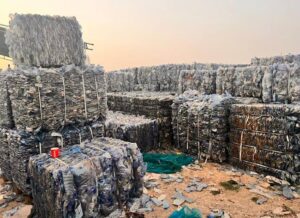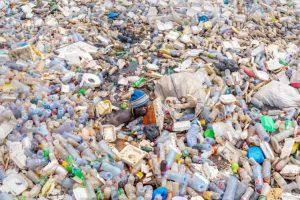
A plastic waste entrepreneur is urging Ghanaians to rethink how they view plastic pollution, arguing that plastic should not be seen merely as waste but as a valuable resource capable of creating jobs and supporting livelihoods.
Speaking during the second edition of the Loud and Green XSpaces hosted on the JoyNews X platform, Senam Lassey, popularly known as PlasticPreneur, said the country’s plastic challenge presents significant economic opportunities if properly managed.
“I’m a plastic waste administrator. I buy and sell plastic waste. So to me, I don’t see plastic as trash or waste. I see it as an opportunity,” he said.
Mr Lassey explained that the problem is not simply the presence of plastic in the environment but the failure to develop systems that recover, reuse and reintegrate plastic materials into the economy.
According to him, shifting perceptions around plastic waste is essential to unlocking its economic value and building a sustainable recycling industry.
His comments introduced a different perspective to the debate on plastic pollution, moving the discussion beyond environmental concerns to include economic and employment opportunities.
Rather than focusing solely on disposal and restrictions, he stressed the need for investments in collection systems, recycling infrastructure and value addition.
The discussion formed part of a broader conversation on “Pure Water, Styrofoam, Plastic Soil: Addressing Ghana’s Growing Plastic Pollution,” which brought together youth climate reporters, environmental advocates and innovators to explore practical responses to the country’s plastic waste challenge.
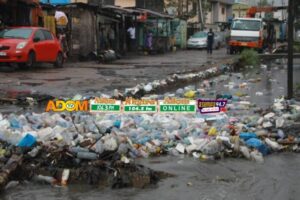
Participants noted that while plastic pollution continues to contribute to blocked drains, flooding and environmental degradation, it also represents an emerging sector capable of generating green jobs and supporting local enterprises.
Mr Lassey’s views reflect growing support for a circular economy approach, where materials are kept in use for as long as possible through recycling, repurposing and recovery rather than being discarded after a single use.
As Ghana continues to grapple with increasing volumes of plastic waste, he believes the country has an opportunity to transform a major environmental challenge into an engine for economic growth.
His message was straightforward: Ghana may not only be sitting on a plastic pollution crisis but also on a largely untapped industry waiting to be developed.